
iron glass
How to Change a Main Water Valve Changing a main water valve may seem like a daunting task, but with the right tools and instructions, it can be accomplished by a homeowner with basic plumbing knowledge. The main water valve is essential for controlling the water supply to your entire house, making it crucial to ensure it is functioning properly. Here’s a step-by-step guide on how to change your main water valve safely and effectively. Tools and Materials Needed Before starting the process, ensure you have the following tools and materials 1. Pipe Wrench For loosening and tightening connections. 2. Adjustable Wrench Useful for securing fittings. 3. Screwdrivers Both flathead and Phillips for any screws present. 4. Teflon Tape For sealing threaded connections. 5. Basin Wrench If the valve is in a tight location. 6. Replacement Valve Ensure you have the correct size and type based on your current valve. 7. Bucket To catch any residual water when you remove the old valve. 8. Safety Goggles and Gloves For protection during the process. Step 1 Locate the Main Water Valve The first step is to locate your main water valve. It is typically found near where the water line enters your home, often in the basement, crawl space, or on an exterior wall. The valve may look like a round wheel or a lever. Familiarizing yourself with its location is important, as you will need to turn it off before replacing it. Step 2 Turn Off the Water Supply Once you’ve found the valve, turn it off by rotating it clockwise. If it’s a lever valve, simply turn the lever perpendicular to the piping. This action will stop the flow of water into your home. To verify that the water is off, turn on a faucet in the house and ensure that there is no water flow. Step 3 Drain the Pipes After shutting off the main water valve, it’s necessary to drain any remaining water from the pipes. Open the lowest faucet in your home to allow air into the system, which will help drain the remaining water out. Placing a bucket underneath the valve can help catch any water that spills during the removal process. how to change main water valve Step 4 Remove the Old Valve Using the pipe wrench, begin loosening the nuts that secure the main water valve to the pipes. If the valve is rusty or stuck, you may need to apply penetrating oil and allow it to sit for a while before attempting to loosen it again. Be careful to hold the pipe securely to avoid damaging it. Once the nuts are loosened, remove the old valve completely. Step 5 Install the New Valve Before installing the new valve, wrap the threaded ends of the pipe with Teflon tape. This will help create a watertight seal and prevent leaks. Next, position the new valve in place and hand-tighten the nuts to secure it. After ensuring it's correctly aligned, use the adjustable wrench to further tighten the connection. Be cautious not to overtighten, as this can damage the valve or pipes. Step 6 Turn the Water Supply Back On Once the new valve is securely in place, return to the main water valve and turn it back on by rotating it counterclockwise or moving the lever back to its original position. After turning it on, check for leaks around the new valve and the connections. If you notice any leaking, you may need to tighten the connections slightly. Step 7 Test the System With the new valve installed and no leaks detected, test the system by turning on several faucets throughout your home. This will help you ensure that the water is flowing correctly and that there are no air pockets. If the water pressure is inconsistent or if you note any issues, you may need to further troubleshoot your plumbing system. Conclusion Changing a main water valve can be a straightforward task if you approach it methodically and with the right tools. Regular maintenance of your plumbing system, including the main water valve, can prevent significant issues down the line. If at any point you feel unsure or encounter difficulties, consider consulting a professional plumber to ensure the work is completed safely and effectively. Remember, taking proactive steps can save you time and money in the long run.
about
iron glass
The Benefits of Timber Fixed Brackets in Modern Construction In the realm of construction and architecture, the choice of materials is paramount. One innovation that has gained popularity in recent years is the timber fixed bracket. This versatile component offers numerous advantages that contribute to both the aesthetics and structural integrity of buildings. As we explore the benefits of timber fixed brackets, it becomes evident why they are becoming a preferred choice for builders and designers alike. 1. Aesthetic Appeal Timber is known for its natural beauty, warmth, and texture, which can significantly enhance the visual appeal of a structure. Timber fixed brackets provide an opportunity to incorporate these attributes into the design. They can be crafted to match the specific style of a building, whether it's rustic, modern, or traditional. The rich grains and tones of wood, when used in brackets, can create a striking contrast against other materials such as steel or glass. This aesthetic versatility allows architects to push creative boundaries, resulting in innovative designs that stand out. 2. Sustainability In an age where environmental consciousness is on the rise, timber stands out as a sustainable building material. Sourced from renewable resources, timber has a lower carbon footprint compared to alternative materials like steel and concrete. Timber fixed brackets contribute to eco-friendly construction practices by utilizing wood that is responsibly harvested. When designed with sustainability in mind, they can help projects achieve green building certifications, further enhancing their appeal in the modern market. 3. Strength and Durability One might wonder about the structural integrity of timber fixed brackets compared to traditional alternatives . However, when properly treated and installed, timber brackets can offer remarkable strength and durability. Treated wood is resistant to rot, pests, and weathering, making it ideal for both indoor and outdoor applications. Furthermore, the design flexibility of timber brackets allows for reinforcement in high-stress areas, ensuring they can endure heavy loads and adverse conditions without compromising safety. timber fixed bracket 4. Ease of Installation Timber fixed brackets are relatively easy to install, which can lead to significant time and cost savings during construction. The lightweight nature of wood allows workers to handle and manipulate the brackets with ease, reducing labor intensity. Additionally, the use of timber brackets does not typically require specialized tools or skills for installation, making them accessible for a variety of construction projects. This simplicity can streamline building processes, allowing for faster project completion. 5. Versatile Applications The versatility of timber fixed brackets is another reason they are becoming increasingly favored. They can be employed in a wide range of applications, from supporting beams and roofs to enhancing the aesthetic appeal of furniture and fixtures. Whether it is in residential homes, commercial buildings, or even recreational structures, timber fixed brackets can be customized to meet the specific needs of each project. This adaptability ensures that builders and architects can utilize them effectively in countless scenarios. 6. Cost-Effectiveness While the initial cost of high-quality timber may be higher than some alternatives, the long-term benefits can outweigh these upfront costs. The durability and low maintenance requirements of timber fixed brackets mean that they can provide value over time. Homeowners and builders can save on repair or replacement costs, making timber brackets a budget-friendly choice in the long run. Conclusion Timber fixed brackets represent a blend of beauty, functionality, and sustainability that is well-suited for modern construction. Their aesthetic contributions, coupled with their strength, ease of installation, and versatility, make them an excellent choice for a myriad of building projects. As the industry continues to evolve, the integration of such innovative components will undoubtedly shape the future of architecture, emphasizing the need for sustainable and visually appealing designs. For builders and designers looking to create unique, robust structures, timber fixed brackets offer a compelling solution that should not be overlooked.
-

High quality industrial productsagement

High quality industrial products
View Details -

Meet the diverse needs of customers

Meet the diverse needs of customers
View Details -

Strict quality control

Strict quality control
View Details -

Top raw materials

Top raw materials
View Details -

Trusted supplier

Trusted supplier
View Details
Our application

news and information
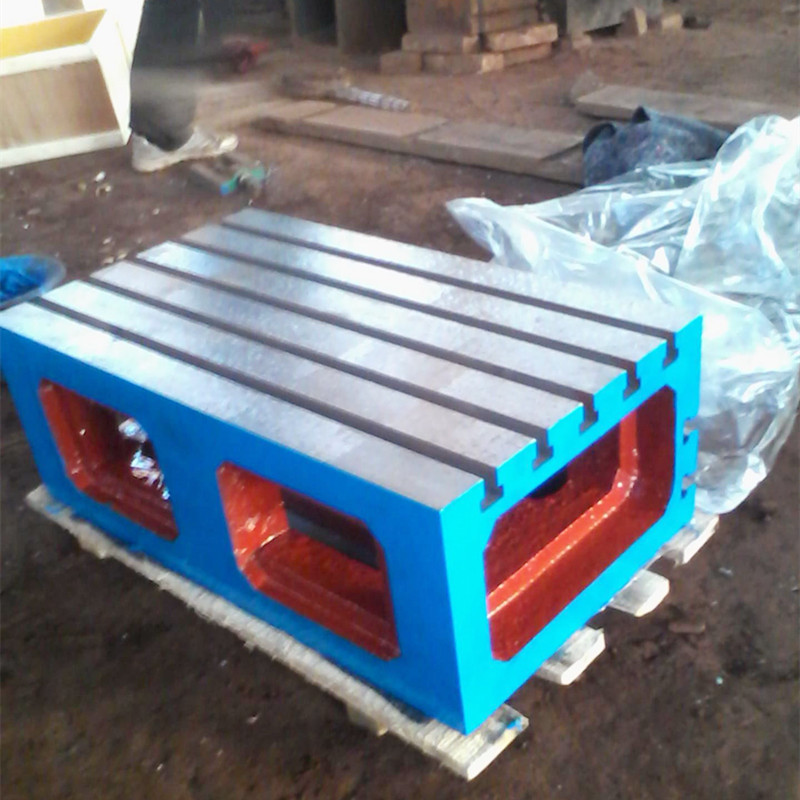
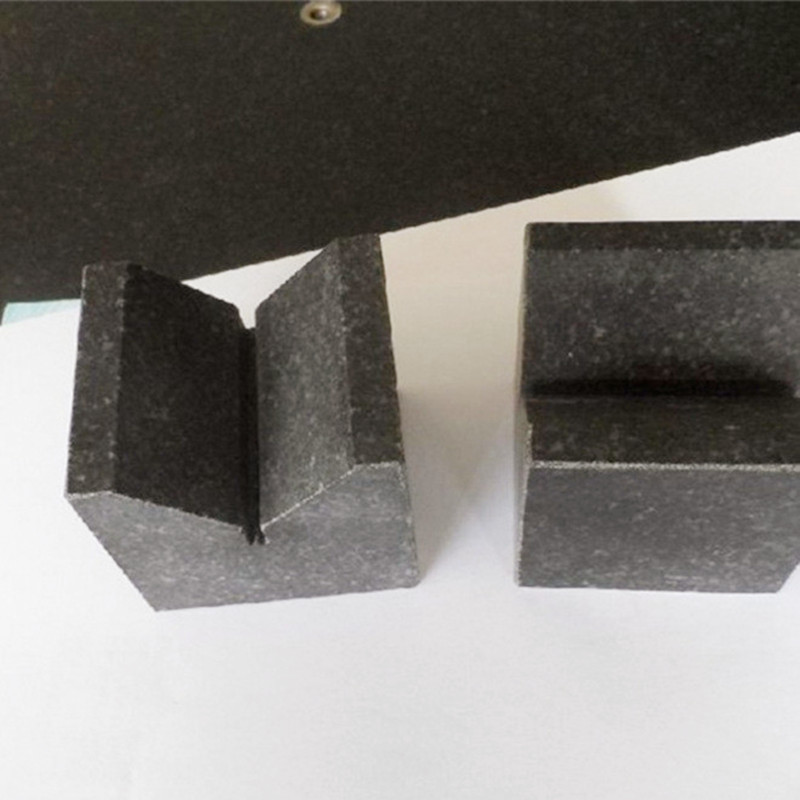
V-Block Designs for Efficient Machining Applications
V-Blocks for Machining An In-Depth Overview In the world of precision machining, the importance of e
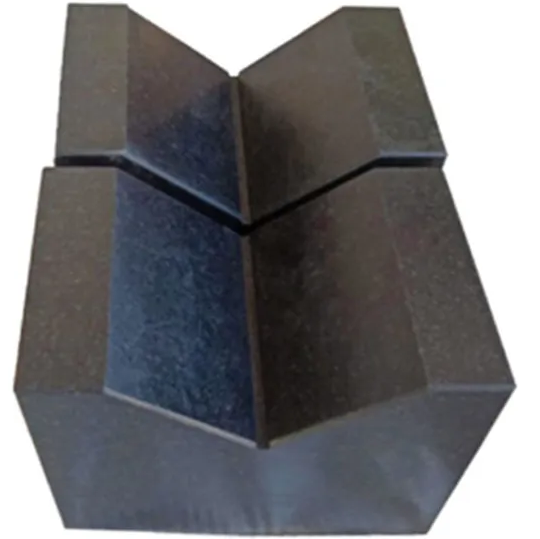
Using Tapered Plug Gauges for Precision Measurement and Quality Control in Manufacturing
Understanding Taper Plug Gauges and Their Applications In precision engineering and manufacturing, e
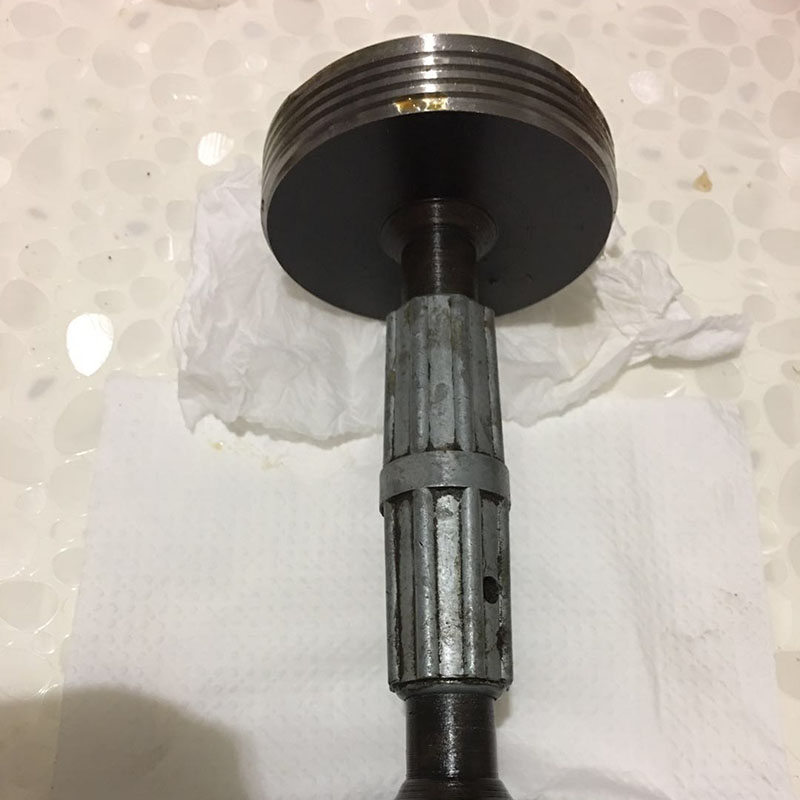
Using a Thread Ring Gauge for Precision Thread Measurements and Inspections
The Importance of Thread Ring Gauges in Quality Control Thread ring gauges are vital tools used in v
 English